
In 2021, most remote-work discussion kept circling the same shortlist of destinations. That overlooked several countries that offered clearer legal pathways, practical costs, and a more stable setup for living abroad.
That was what made the digital nomad visa wave of 2021 worth paying attention to. The best options were not always the most heavily discussed. In many cases, they were the countries where rents had softened, rules had become clearer, and landlords were more realistic than they had been in a normal year.
If you were trying to figure out which countries actually let you work remotely on a legal basis in 2021, these were some of the more useful options.
Why 2021 was different
Before 2020, many remote workers were still following the same pattern: arrive on a tourist visa, say as little as possible, and deal with the consequences later. In 2021, governments started acknowledging the obvious. Remote workers had income, flexibility, and a reason to stay longer than the average tourist.
That mattered for two reasons. First, legal clarity had real value because border rules were moving constantly and quarantine mistakes were expensive. Second, the countries that moved early were not simply selling weather. They were selling predictability, which was harder to find in 2021 than most people expected.
Barbados
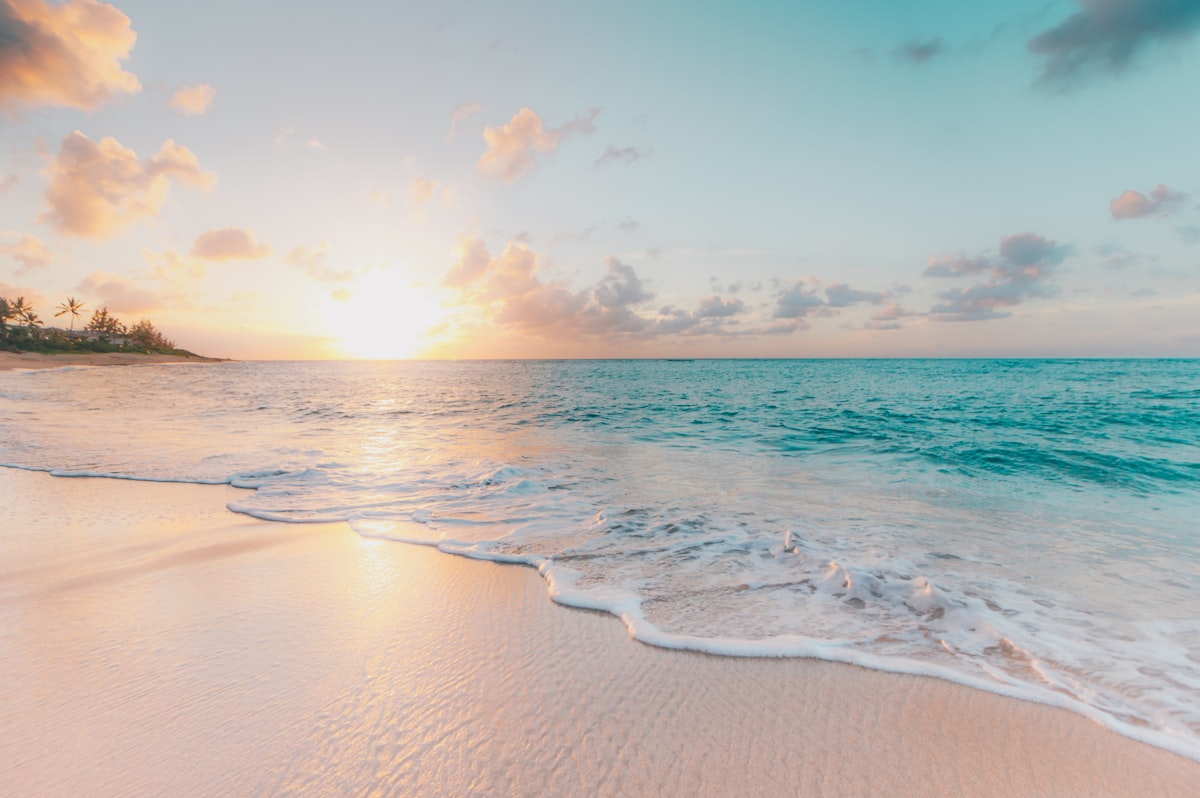
Barbados received attention for the Welcome Stamp, but it still felt underappreciated relative to how clear the setup was. For many remote workers in late 2020 and 2021, it offered a straightforward legal path: a 12-month remote-work program, a clear application route, and far less ambiguity than the usual tourist-visa workaround.1
The application fee was not low, especially compared with cheaper options in Eastern Europe. But that was only part of the calculation. Once tourism softened, accommodation pricing became more flexible. Places that would have looked unrealistic in a normal year became easier to negotiate.
Barbados also felt more settled than many people expected during that period. If you wanted solid infrastructure, warm weather, English-speaking daily life, and a remote-work route that did not require endless forum digging, it stood out.
That may sound unglamorous, but in 2021, operational predictability had real value because it reduced the number of variables you had to manage at once.

Georgia
Georgia was the country that made experienced travelers pause. Between the generous stay rules and the conversation around non-Georgian-source income, it sounded unusually favorable. There was a reason it spread quickly: for a period, the balance between freedom and cost looked unusually strong.
Tbilisi was the obvious base. You could still find large apartments at prices that made Western Europe look expensive, and the city occupied a useful middle ground. It was not overly polished, not resort-based, and not built around a remote-work performance culture. It was simply livable.
That was part of the appeal. Georgia suited people who wanted to rent an apartment, get their work done, and use weekends for mountain towns or wine country without turning everyday life into a public identity project.

Georgia also sat at the center of tax-efficiency discussions. That subject always requires caution because tax residency is rarely as simple as social media suggests. Current tax summaries describe Georgian residents as generally taxable on Georgian-source income while non-residents are exempt on income that does not have a Georgian source, and residency can turn on time spent in the country, including a 183-day test. So yes, Georgia was central to the 2021 conversation, but only as a place where the underlying rules mattered more than the headline narrative.1

Croatia
Croatia's digital nomad route eventually received plenty of attention, but for a period it was still less discussed than louder destinations. That made it more interesting. Officially, Croatia framed it as temporary stay for digital nomads rather than a broad freelance loophole, and that distinction mattered. Timing mattered too: Croatia launched when many property owners in tourist-heavy areas were much more willing to negotiate than they would have been in a standard summer.
If you had only seen Dubrovnik during peak season, a longer stay might have looked unrealistic. In 2021, it became a more practical discussion. Split had a similar effect as short-term tourist inventory started moving into longer-term rentals.
The bigger advantage was not only price. Croatia offered postcard scenery, European quality of life, and a legal arrangement that did not require evasive explanations.
In 2021, it was one of the better examples of a country understanding what remote workers were actually buying: time, predictability, and a legitimate way to stay put for a while.

Mauritius
Mauritius never dominated the digital nomad conversation the way more obvious destinations did, which was part of its appeal. It felt like a place many people mentioned only after they had already made their own arrangements.
The Premium Visa fit what many remote workers wanted by 2021: a stable base, good weather, enough space to breathe, and a life that did not feel built around queues and border stress. The official pitch was fairly clear: come for up to a year, work remotely, keep your primary source of income outside Mauritius, and do not enter the local labor market.1
What made Mauritius more interesting in that period was that the usual quality-of-life premium became somewhat more negotiable. In a normal year, many people would have placed it in the category of somewhere to consider later. During the pandemic period, later became possible for some people much sooner.
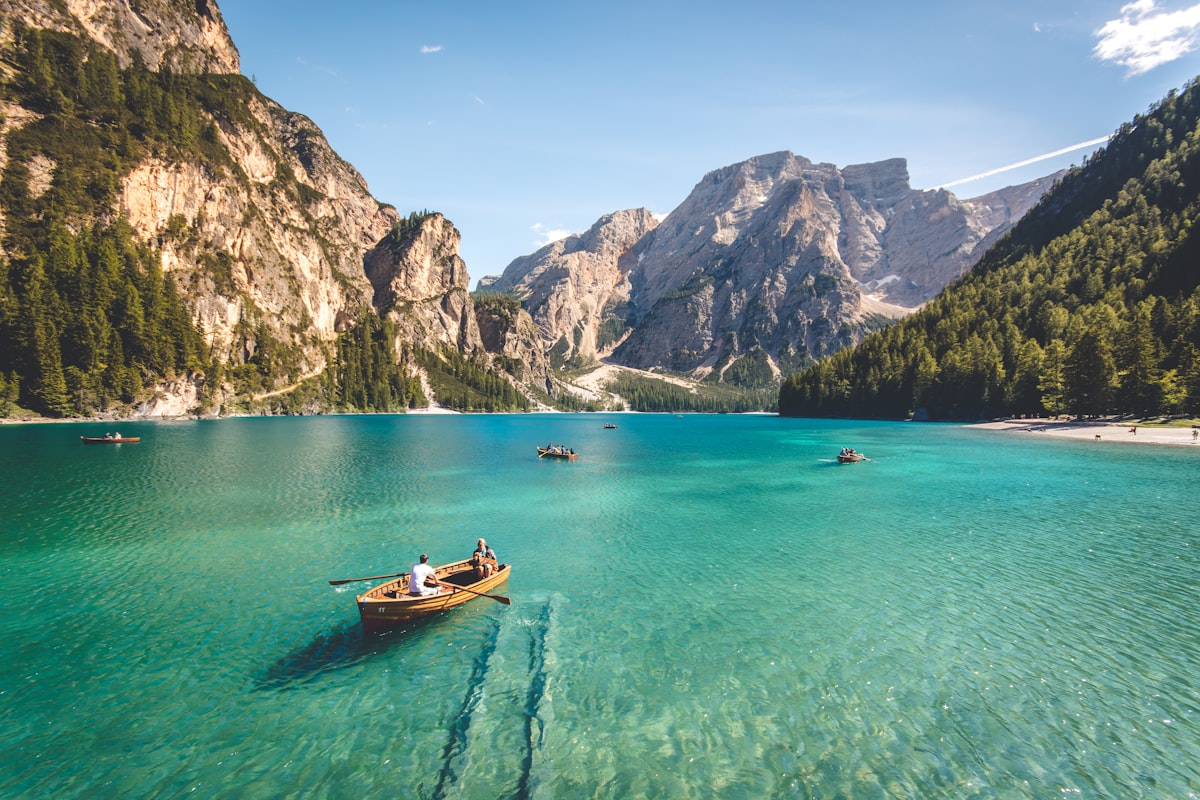
The appeal was practical as much as scenic. Mauritius made sense for people who wanted fewer border complications and more breathing room.
Albania
Albania did not need a polished marketing campaign to be useful. That was part of the point. For many people, including non-EU travelers trying to manage time around Europe's stay limits, it was one of the easier places in the region to arrive, settle down, and keep life simple.
Sarande came up repeatedly because the rent-to-view ratio was unusually good. Apartments with sea views could still be found at prices that felt out of step with the rest of coastal Europe. Tirana made more sense for people who wanted city life, but coastal Albania had the stronger value case.
Albania also mattered because it sat outside the Schengen rules. That made it useful for people assembling a longer-term European plan without exhausting limited Schengen stay windows elsewhere. As always, tax residency and legal status depend on nationality, time in country, and personal circumstances, so anyone attempting a more technical calendar strategy needed to read the fine print rather than rely on forum confidence. Even so, Albania clearly belonged on the underrated list.1
The main mistake people made
The main analytical mistake in 2021 was assuming the best destination was the one with the most content around it. That usually meant only that it had the loudest content machine, not the strongest legal or operational fit.
The better question was simpler: where could you build a calm, legal, affordable life for six to twelve months while the rest of the world kept changing shape?
Barbados answered that with clarity.
Georgia answered it with value.
Croatia answered it with European sea access and structure.
Mauritius answered it with space.
Albania answered it with ease.
That mattered more in 2021 than many people realized.
1 Accuracy note: visa, immigration, and tax references in this article are directional and based on publicly available guidance reviewed during editing, not authoritative legal or tax advice. Tax outcomes depend on residency, nationality, source of income, treaty position, and personal facts, and immigration and tax rules can change over time. Check current official government guidance and, where needed, a qualified advisor before acting on any of this.