
The fastest way to make long-term travel harder in 2021 was to pack for imaginary situations instead of the trip you were actually taking.
I saw people show up for remote work stays, seasonal jobs, and long multi-stop trips with bags so overloaded they were paying airline fees before they had even finished the first check-in. In many cases, they still did not have the items that mattered once rules started changing every week.
This was the 2021 packing list that held up for long-term travel and remote work. It was not aspirational. It was built around failure points, constraints, and the simple question of what had to keep working when the rest of the trip got messy. It worked in airports, at border checks, in rental apartments, and on trips where one bag had to cover everything.
What changed in 2021
Most packing lists in 2021 still looked like a recycled backpacking article with a mask added at the end. That was not enough.
Pandemic travel changed what counted as essential. Documents mattered more. Backup internet mattered more. A compact carry-on mattered more because checked luggage in a disordered travel year created one more thing that could go wrong.
I kept using the same rule: if it does not justify the space, it does not come.
The bag
My preference was a 35 to 40 liter bag, something in the Osprey Farpoint 40 range instead of a large hiking pack built for a trip I was not taking.
Carry-on only was not a style choice. It was about control. If a flight changed, if an airport got crowded, or if I had to move quickly from a terminal to a train and then into an Airbnb, a smaller bag made the whole day easier.
Clothes
The most reliable long-term travel packing list is always more repetitive than people want it to be.
Mine looked roughly like this:
- 3 quick-dry shirts
- 1 collared shirt that could handle a video call or a decent dinner
- 2 pairs of pants, one light enough for warm weather
- 5 pairs of underwear
- 3 pairs of socks
- 1 light layer
- 1 waterproof shell
That was enough. The real trick was not a packing cube or some travel gadget. It was accepting that laundry exists and that you do not need a separate wardrobe for every possible version of the trip.
The work kit
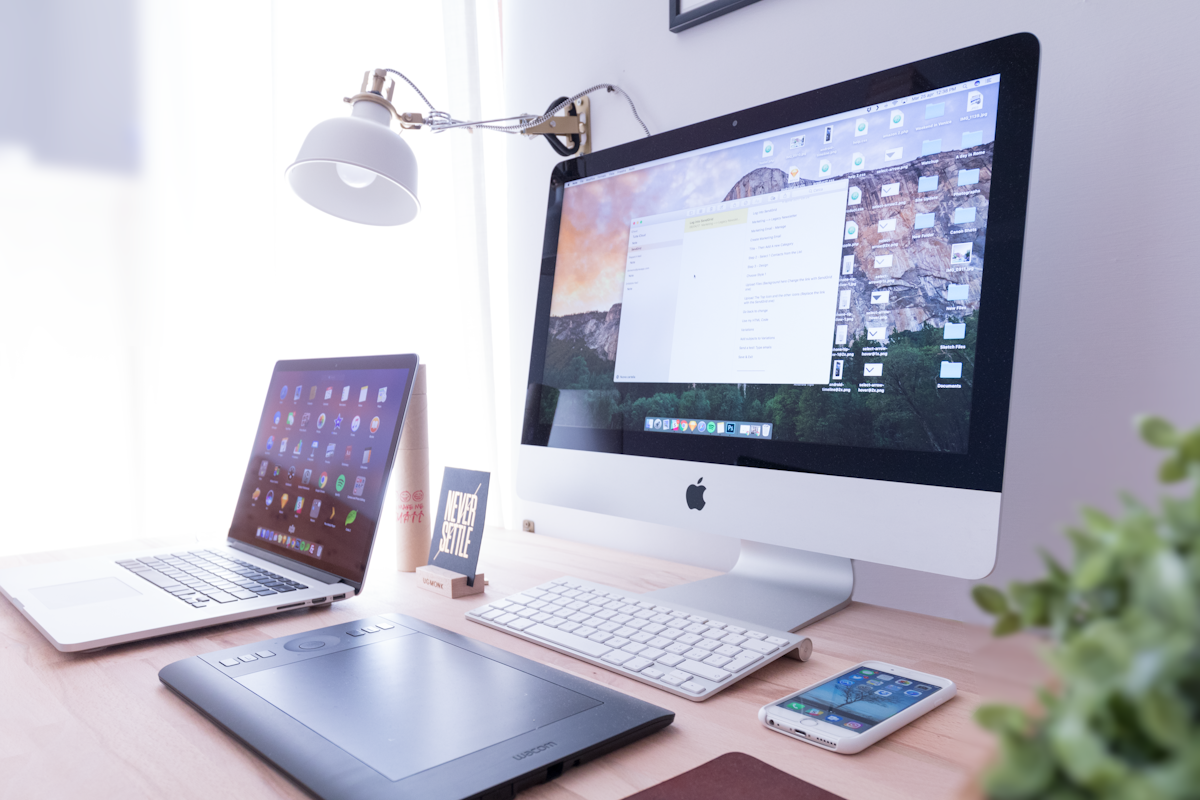
If you were trying to work remotely while traveling in 2021, your tech setup had to survive bad tables, limited outlets, and apartments where the Wi-Fi looked fine until you tried to upload a file.
The essentials were straightforward:
- laptop
- compact charger setup
- universal adapter or small power strip
- phone with local SIM flexibility
- power bank
- backup hotspot if work genuinely depended on staying online
- noise-canceling headphones if you planned to take calls in buildings with thin walls

People liked buying clever accessories. That was fine. These were the items that actually kept work moving when conditions were imperfect and the environment was not under your control.
What 2021 added
This is where the year really changed the packing conversation.
Masks were obvious, but not just one or two stuffed at the bottom of a pocket. You needed spares, and you needed them where you could reach them quickly.
I also kept a basic health and admin pouch with printed backups of the important documents, a few medical basics, and enough order that I could deal with a check-in desk without unpacking half the bag.
Useful 2021 additions included:
- a document folder for tests, bookings, and backup copies
- a collapsible water bottle with filter if you were moving around a lot
- hand sanitizer that would not leak all over your electronics
- a small first-aid kit
- a pen, because border forms still had a way of appearing at the worst time

What I did not need
Every experienced traveler has at least one thing they carried for months out of habit.
For me, it was usually extra clothes kept for some imaginary version of the trip that never arrived. Extra shoes were another common mistake. Books, too, unless I knew I was going somewhere slow on purpose.
The rule I ended up trusting was simple: if I had not used it in a month and could replace it cheaply, it probably did not deserve space in the bag.
A simple test
Before a long trip, lay everything out on the bed. Then remove more than feels comfortable.
That advice still works because most overpacking is emotional, not practical. People pack for every possible version of themselves, then spend months carrying those extra versions around.
I have seen adults nearly panic over being a few pounds overweight at check-in. The bed test is cheaper than learning the lesson at check-in.
Small items worth carrying
These are the things that looked optional until the day they saved time, money, or patience:
- a headlamp for dark apartments, power outages, and late arrivals
- a waterproof phone pouch for boats and bad weather
- a sleep mask if outside light was a problem
- a couple of zip bags for cables, medicine, and anything damp
None of that is glamorous. All of it reduces friction when the trip stops being idealized and starts being real, which is the point at which a packing system either earns its place or fails.

If you are building a digital nomad packing list for 2021, or just trying to stop carrying unnecessary weight through long-term travel, the answer is not more things. It is a tighter system.
In a year where rules changed constantly, a tighter system was worth more than a pretty bag.