
What changed in 2021 was not the act of teaching English online. It was the fact that remote delivery finally let teachers choose a better base, lower costs, and a more practical routine instead of organizing everything around one employer in one city.
For years, the usual TEFL path was straightforward: move abroad, work on a school schedule, accept the apartment that came with the job, and treat the inconvenience as part of the deal. By 2021, that equation had changed. For many people, it made more sense to teach remotely from a place that improved the rest of life.
If you were looking into teaching English online in 2021, the real advantage was not freedom by itself. It was freedom combined with geography.
Why it made more sense in 2021
Once schools in Asia and Latin America became comfortable with remote delivery, many of them stopped thinking only in local terms. If a teacher could appear online, handle the technology, speak clearly, and stay reliable across time zones, that teacher still had value.
That created a better arrangement for people disciplined enough to build and maintain their own setup. Schools saved on housing, relocation, and office space. Teachers got to choose a cheaper or more comfortable base and control more of the operating environment themselves.
That was the real improvement. A teacher could wake up in one country, get paid in another currency, and avoid being tied to a city chosen only because the school happened to be there.
Where it worked best
The strongest remote English teaching setups in 2021 were not always the ones with the highest hourly rates. They were the ones where cost of living, time zone alignment, internet reliability, and visa flexibility created a calmer daily routine.
Georgia came up often for obvious reasons. It was affordable, workable for longer stays, and frequently mentioned by remote workers comparing tax efficiency. Portugal appealed to people who wanted stronger infrastructure and an easier landing. Mexico was useful because teachers could live well, stay in a familiar time zone for North American clients, and still keep costs under control by choosing the right city.
Vietnam was still attractive as well, especially for teachers serving Asian schools from a base with relatively low living costs and strong internet. It was not effortless, but it could make sense.
Pay
This is where many generic articles lost precision. Pay varied substantially depending on whether someone worked for an established school, a teaching platform, private clients, or a smaller company doing some combination of all three.
There were still patterns worth noting. In Vietnam, stronger arrangements could push into the low-to-mid $20s an hour, especially for experienced teachers working directly with schools or private clients tied to Asian schedules, while platform work and entry-level roles often paid less. Mexico-based teachers doing dollar-paid work could stretch income further when the peso weakened. Some smaller European operators paid less by the hour but offered steadier schedules and fewer administrative problems.
The important point was that hourly pay alone did not decide the outcome. The stronger operating model was the one where acceptable pay met a base that did not consume the rest of the budget or create unnecessary administrative drag.

The tax side
In 2021, many remote teachers started thinking less like traveling teachers and more like mobile service providers. That changed the conversation. People started paying closer attention to residency, invoicing, banking, and whether a country was simply cheap or actually efficient.
Georgia sat at the center of that discussion because current tax summaries describe non-residents as exempt on income that does not have a Georgian source, while residence can arise under a 183-day presence test. That is one reason the country kept coming up in remote-work circles. It is also why oversimplified advice is risky. Tax treatment depends on residence, source of income, structure, home-country rules, and treaty issues. For anyone taking remote teaching seriously, 2021 was the year the administrative side stopped looking optional and started looking like part of the job.1
Equipment
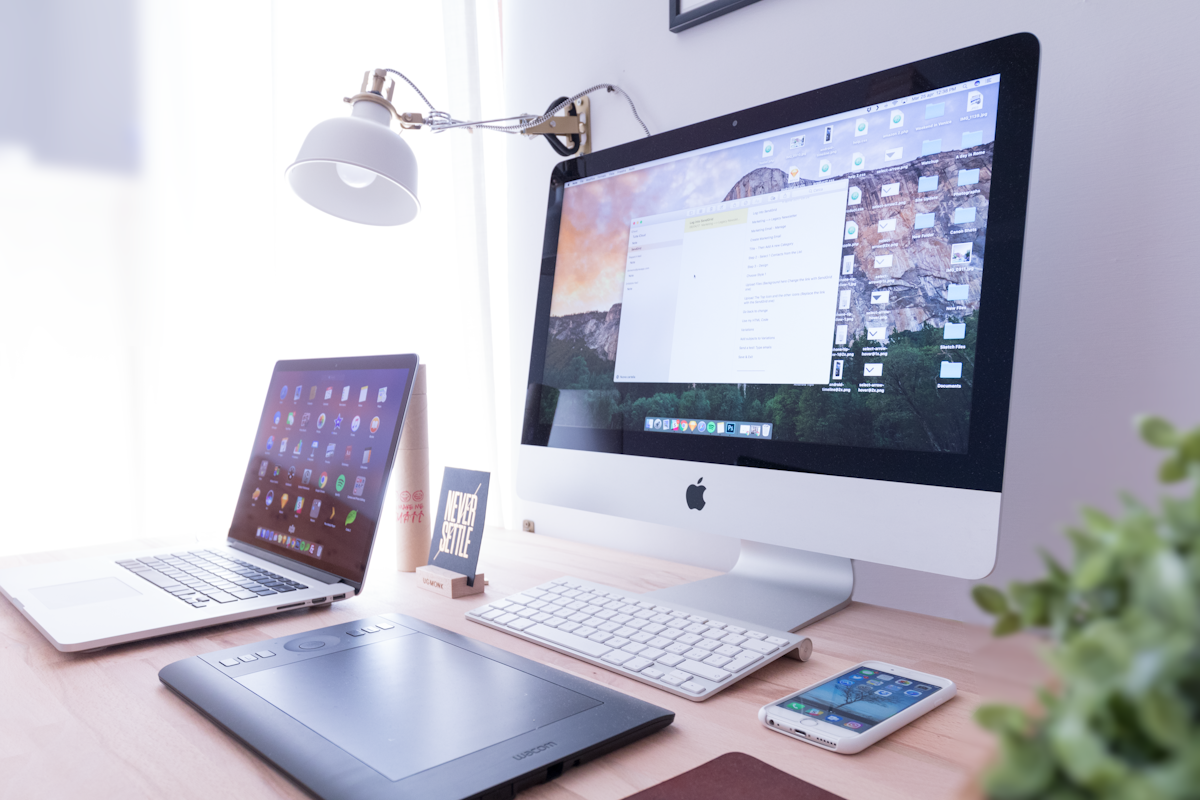
A lot of teachers allocated money to the wrong equipment. The gear that mattered in 2021 was not elaborate. It was the equipment that kept small problems from turning into canceled lessons.
The short list looked like this:
- a ring light or simple window-facing setup so your face was visible
- noise-canceling headphones so dogs, scooters, and thin apartment walls did not take over a class
- a backup internet option, even if it was only a portable hotspot or local data SIM
- a second device for emergency logins when the main laptop stopped cooperating
Teachers who had those basics missed fewer classes. Missing fewer classes meant fewer awkward explanations and more trust over time.
Who it suited
This model suited people who liked routine more than office politics. You had to manage your own schedule. You had to keep your own workspace functional. You had to notice a weak Wi-Fi situation before class started, not after.
It also suited people who still wanted the travel element without rebuilding their life around a new employer every six months.
For that group, 2021 was one of the first years when remote English teaching stopped feeling like a compromise and started looking like a cleaner operating model than the original plan, provided the administrative side was handled seriously.

1 Accuracy note: this section is general editorial commentary, not tax advice. Cross-border tax treatment changes over time and depends on facts such as residency, the source and character of income, and the rules of each country involved. Always verify current official guidance and take professional advice for your own situation.